
The novel Corona Virus (COVID-19) is deadly and it kills fast. Everyday and everytime I step out of my house to my work, I ask myself one question: How safe are we at the port of entry? Most of the time fear grips me. I am afraid not only of the COVID-19 virus, I have been afraid of, generally, getting ill. I am afraid because though I have health insurance, I know it will not fully cover my medical treatment or of any member of my family if something happens. Over the past year the medical personnel in public health institutions have withdrawn their labour after negotiations with their employer broke down. My health insurance may partially cover my medical expenses at the public health institutions and I know I can’t afford the cost of treatment at private institutions.
The media both local and international has raised awareness of the fatal nature of the COVID-19 virus and prominently covered incidents, elsewhere, besides the epicentre of the outbreak – Wuhan City, Hubei, China – including the Diamond Princess Cruise ship, Italy is in lockdown and has become the distribution centre of Europe and Africa as a case has been reported in South Africa’s Kwa-Zulu Natal (KZN) province. The KZN incident causes some discomfort for us because once there is an outbreak in South Africa (SA) nothing will stop the scourge to spread right across the Southern African region considering that SA is the economic powerhouse of the region. SA has a high density of immigrants, mainly from the neighbouring countries with migrants from Lesotho and Zimbabwe having been granted some Exemption Permits so as to regularise, and account, for their sorjourn in that country. Despite all that effort to normalize the abnormal, there are still multitudes of illegal and undocumented migrants within SA’s borders. This segment of the migrant population usually work in environmentally unfriendly, unhealthy conditions and places such as sweatshops. To avoid being detected by the authorities, they stay low and they use undesignated entry and exit points to visit their countries of origin.
With all the efforts being made in screening and quarantining all suspected cases of infection from COVID-19, chances are low that infected people might pass through the official ports of entry. However, there is a high risk that the daily, cross-border, trippers might compromise the systems in place. Their level of self compliance is low and most of the time enforced anti-corona virus screening will be implimented. They put front line port of entry personnel, such as Immigration, Vehicle Inspection and Customs officials, at risk because contact would have been made already before they report to the port health screening facility.
There are times when you think some people are better informed and knowledgeable about the dangers associated with the gravity and fatal nature of the Corona virus, but when you find middle level or any government officials resisting the screening process then you realise that there must be a penalty for such behaviour. The old clique that prevention is better than cure is apt.
There are times when people play down the impact of the virus on global health. Suddenly, there has been a conspiracy theory on social media that fiction writer, Dean Koontz predicted that the Chinese developed the COVID-19 virus way back before 1981 as virus ‘Wuhan-400’, in his novel, The Eyes of Darkness. Koontz‘s novel is a work of fiction and the story line is way off the current epidemic birth trajectory. Nothing could be further from the truth.
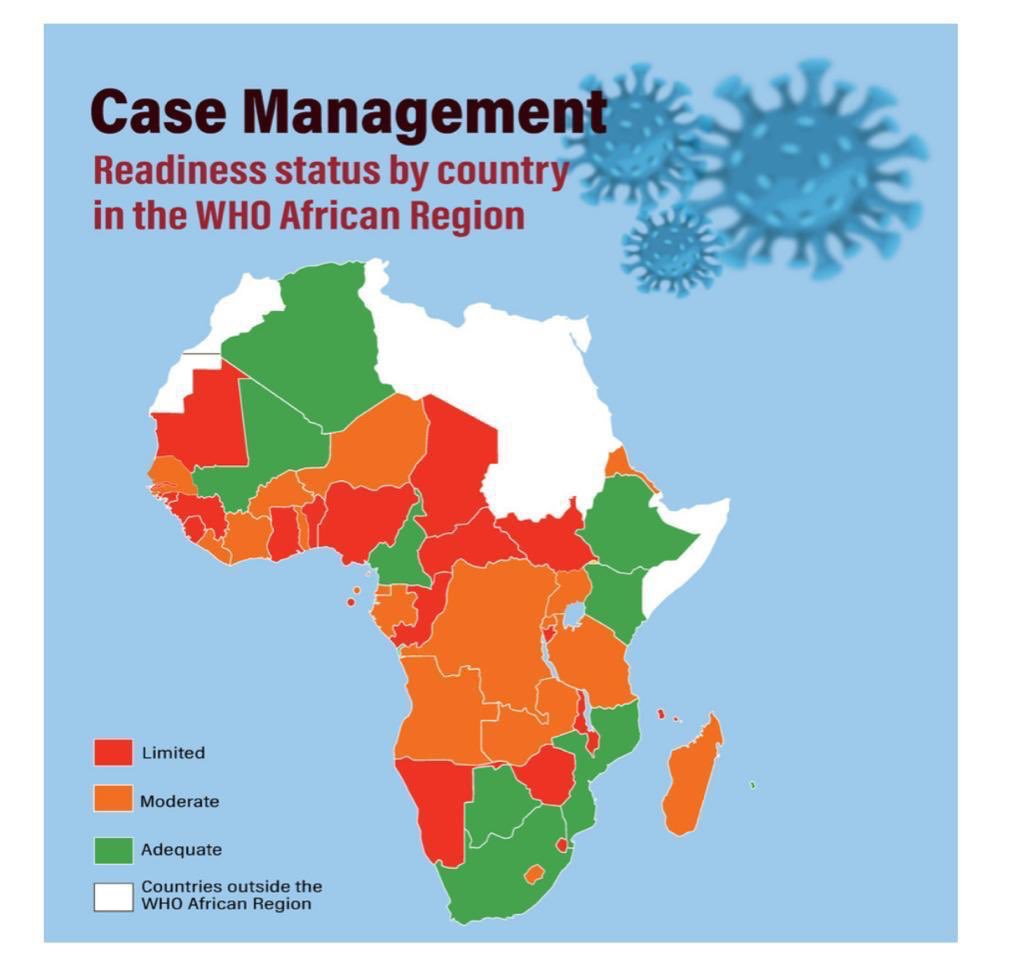
Zimbabwe’s epidemic management preparedness has been classified as limited on the WHO Case Management Map. It’s three neighbours, Botswana, Mozambique and South Africa have been classified as adequately ready. This means that our epidemic response system has been classified as weak and the best way to keep the Corona Virus away is for individuals to voluntarily comply to the screening process.
 The Truth!